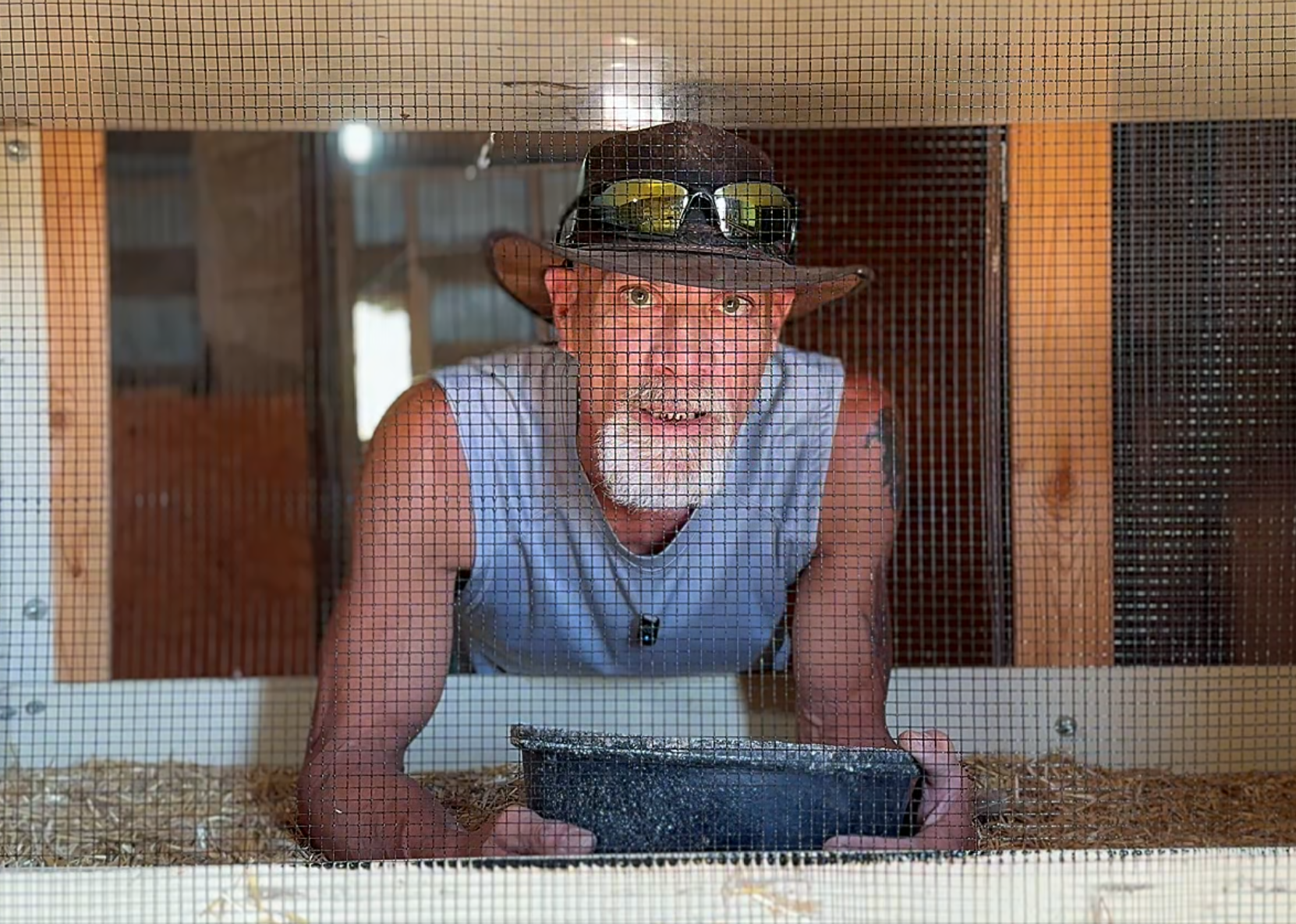
This is Part 2 of our broody cage setup in Ontario — and things are finally coming together. After tackling the screen visibility problem in Part 1, it’s time to get the interior ready before our broody hen starts sitting. A hen will spend about 21 days on her eggs, so she needs food, fresh water, and plenty of straw to stay comfortable the whole time. Getting the broody cage setup right here in Ontario means doing the prep work before she ever goes in — that’s what this video is all about.
Video Chapters
0:00 — Intro and the broody hen situation
0:18 — Planning the broody cage setup
1:21 — Installing food and water containers
1:45 — Planning egg selection for hatching
2:34 — Collecting eggs from the coop
3:37 — Recap and future updates
Broody Cage Setup Ontario: Getting Everything Ready
Before any hen can sit on eggs, the cage has to be right. We already handled the screen in Part 1 — painting the broody cage screen black to fix a visibility problem. Now it was time for the interior: we installed food and water containers so she’ll have everything she needs without leaving the nest. A hen that has to wander for food or water is a hen that might abandon her eggs — so getting this right before she goes in matters a lot. Learning about hatching eggs helped us understand why this setup is so critical. Straw goes in too, giving her something to work with when she starts arranging her nest the way she wants it. Good chicken care starts with preparation, and that’s doubly true when you’re running a broody cage setup in Ontario.
The plan coming into this was to hatch two brown eggs, two blue eggs, and two green eggs — a nice mixed clutch from the flock. But the chickens had other plans. Understanding broody hen behaviour helped us anticipate how she’d react in the coop. Heading into the coop to collect fresh eggs turned into a whole adventure, and not everything went the way we expected. That’s backyard chicken keeping in Ontario for you — you make a plan and the flock immediately improvises.
Choosing Eggs for the Broody Cage — Ontario Flock Introductions
Part of the fun of this project is walking the coop and looking at who’s laying, who’s roosting, and which hens and roosters might be contributing to the next generation. Research on brooding setup for backyard chickens reinforced how important the right preparation is for success. We took a good look at our possible mothers and fathers before deciding which eggs were worth setting aside. Not every egg is a good candidate — you want fresh eggs from healthy, active hens, ideally fertilized by a rooster you’ve actually seen doing his job.
Part 3 is where we actually choose the broody hen who will do the sitting. A good broody is patient, committed, and not easily spooked off the nest. Finding the right one is half the battle when you’re raising backyard chickens in Ontario and trying to hatch chicks naturally without an incubator.
Frequently Asked Questions
What does a broody hen need in her broody cage setup?
At minimum: food, fresh water, and nesting material like straw. A proper nesting box setup ensures your broody has everything she needs during the full 21-day incubation period. The goal is to make sure she never has to leave the nest for basic needs. Keep the cage somewhere quiet, away from the main flock, so she isn’t constantly disturbed.
How many eggs should a broody hen sit on?
It depends on the size of the hen. A standard-size hen can usually cover 8–12 eggs comfortably. Too many and some end up on the outside of the clutch where they don’t stay warm enough. We’re starting with a small test clutch of 6 eggs to keep things manageable for our first hatch.
Do you need a rooster to hatch chicks?
Yes — a broody hen can only hatch fertilized eggs, and for that you need a rooster in the flock. Unfertilized eggs will never develop no matter how long the hen sits on them. If you’re not sure whether your eggs are fertilized, you can crack one open and look for the bullseye mark on the yolk.
Have you ever hatched chicks with a broody hen? Drop a comment and let us know how it went — especially if your hen had her own ideas about the plan!
Thinking about hatching chicks this season?
Subscribe so you don’t miss Part 3 — we’ll be choosing the eggs and picking the perfect broody hen to do the job.
There is a billion egg farms out there , Subscribe to ours!

Leave a Reply